


Menu Our services in the selected location:
  • No services available for your region.
Select Location:
Remember my selection
Your browser is out of date.
GSAM Connect 
|
August 7, 2015

GSAM Connect | August 7, 2015

Buy-Write Insight: Understanding Call Writing

In recent years, equity returns have been difficult to beat. Today, however, rich valuations may require investors to temper their return expectations. With long-term annualized equity returns potentially moderating in the coming years, we believe buy-write strategies—which sell call options in pursuit of premium income—may be an equity strategy worth understanding.

In the current environment, we believe investors shouldn’t assume double-digit equity returns will continue indefinitely. We would point out that long-term returns are averages—and averages may be less relevant in the event of shifting market dynamics. As investors have recognized elevated equity valuations and their potential implications for moderate future returns, we believe call writing warrants consideration.
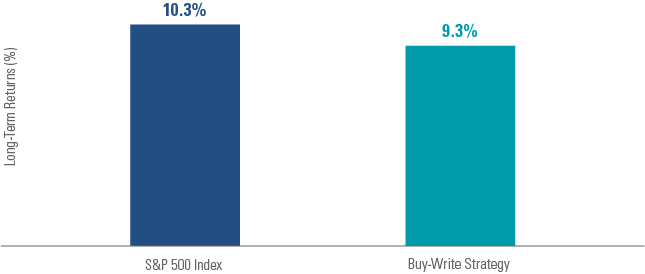
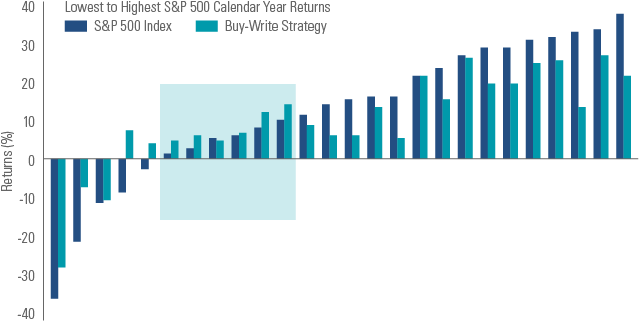
EXHIBIT 1: ON EQUITIES, CALL IT WHAT IT IS

Historically, buy-write strategies on average have underperformed the S&P 500 – but we believe today’s market may prove to be anything but average.

On equities, call it what it is

Chart data is from June 1988 to May 2015. Chart shows the average annualized return of the S&P 500 Total Return Index and the Chicago Board Options Exchange (CBOE) S&P 500 Buy Write Index. Past performance does not guarantee future results, which may vary.  


“Buy-write” refers to an investment strategy which “writes,” or sells, call options on underlying equity positions to generate income from options premiums. An option is the right, but not the obligation, to buy or sell a particular security.

Historically, these strategies have stood out when equity returns have moderated. In a rising market, however, the strategy could significantly underperform the market, and the options strategies may not fully protect it against declines in the value of the market.

As the highlighted portion of Exhibit 2 shows, call writing has outperformed when the S&P 500 has delivered mid-single-digit returns. We see this type of strategy as an important tool for cash flow generation, volatility management, and return potential.  

We believe call writing’s historical outperformance in a moderate-return environment deserves attention.

EXHIBIT 2: RECOGNIZE THE POTENTIAL OF BUY-WRITE STRATEGIES

Recognize the potential of buy-write strategies

As of May 2015. The Buy-Write Strategy is represented by the CBOE S&P 500 Buy Write Index. The chart displays S&P 500 Index total returns in ascending order along with the performance of the CBOE S&P 500 Buy Write Index for the corresponding year. A covered call writing (selling) strategy involves special risks. Successful options strategies may require the anticipation of future movements in securities prices, interest rates and other economic factors. No assurance can be given that such judgments will be correct. In a rising market, the strategy could significantly underperform the market, and the options strategies may not fully protect it against declines in the value of the market. Please see end disclosures for additional definitions. Past performance does not guarantee future results, which may vary.

Stay posted on the latest market developments and key themes for your portfolios and practices.
Get Connected

Related Posts

August 05, 2015 | GSAM Connect
Gold and Interest Rates: The Glitter’s Gone

Gold's price decline since mid-2011 has corresponded with a shortening of investors' expected timeframe for interest rate increases. Gold pays no dividends and has no earnings - so rate pressures on gold should come as no surprise.

July 16, 2015 | GSAM Connect
Buying High and Selling Low: What the Equity Flows Show

You may have heard the warning that attempting to “time” the market can result in a poor investment experience. As historical fund flows suggest, hearing the “market timing” warning may not be the same as heeding it.

June 30, 2015 | GSAM Connect
Interest Rates and Your Portfolio: Lessons from History

The subject of rising interest rates is back in the headlines. How should investors think about the potential impact of rising rates on their portfolios? History offers a few lessons on the subject.

June 30, 2015 | GSAM Connect
On Being Diversified, Strategic, and Careful

We believe long-term allocation choices should be based on more than the recent past - and history tells us that investors who limit themselves this way many miss out on potentially attractive investment opportunities.